
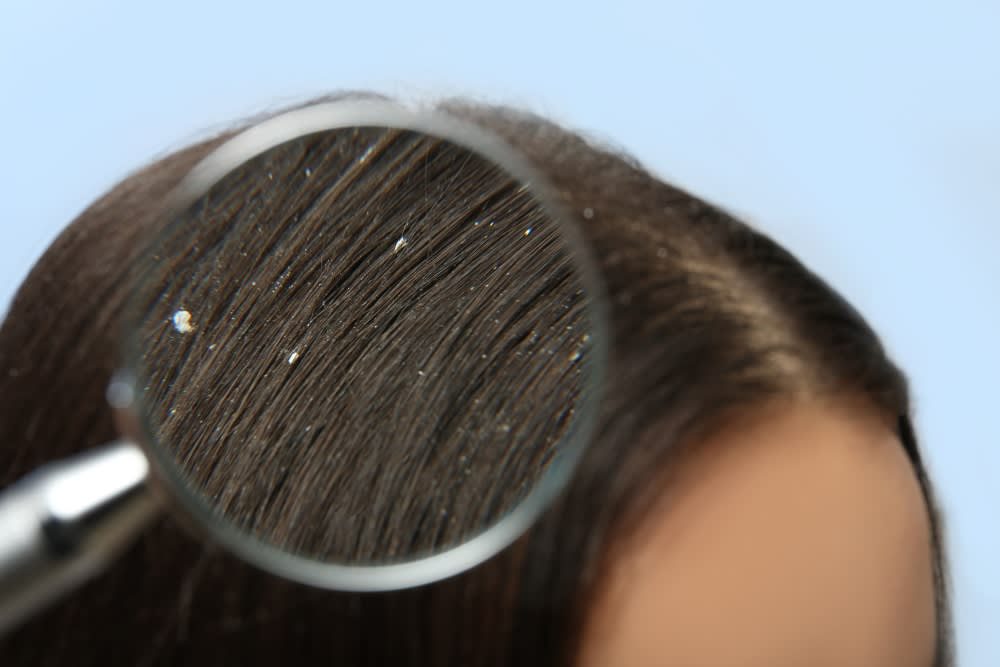
The scalp is living skin. And it changes.
If you treat your scalp like you treat your face, many everyday problems fade away. Rinse off styling and dust, do gentle exfoliation, protect the part line from the sun, and cleanse after sweat and salt — itch eases, dryness calms down, roots stay fresher longer. Do this regularly and your scalp and hair will thank you.
Your scalp has its own pH and protective barrier. Diet, water, hormones, stress, medicines, workouts, climate and styling habits all affect it. When the balance is off, you get everyday discomfort: itch, dryness, oiliness, odor, dandruff. If you ignore it, inflammation can grow and trigger extra shedding.
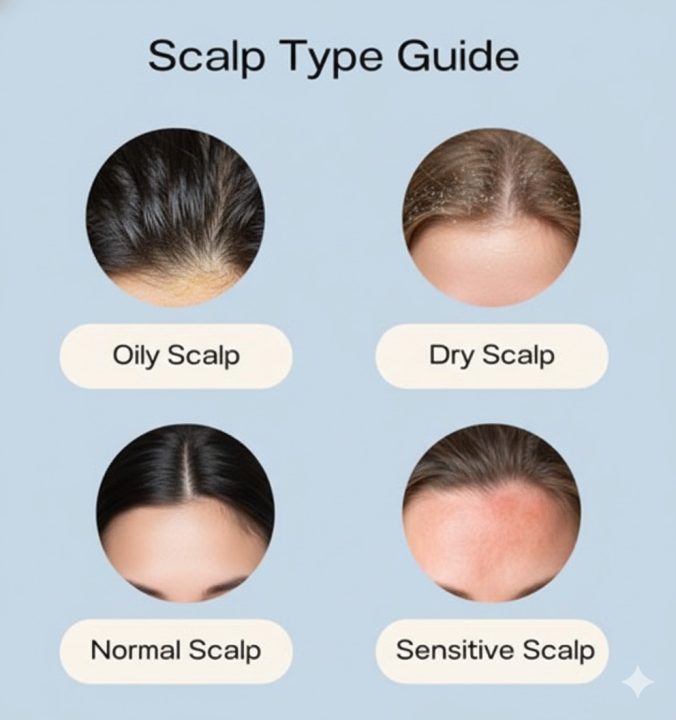
What scalp type do you have
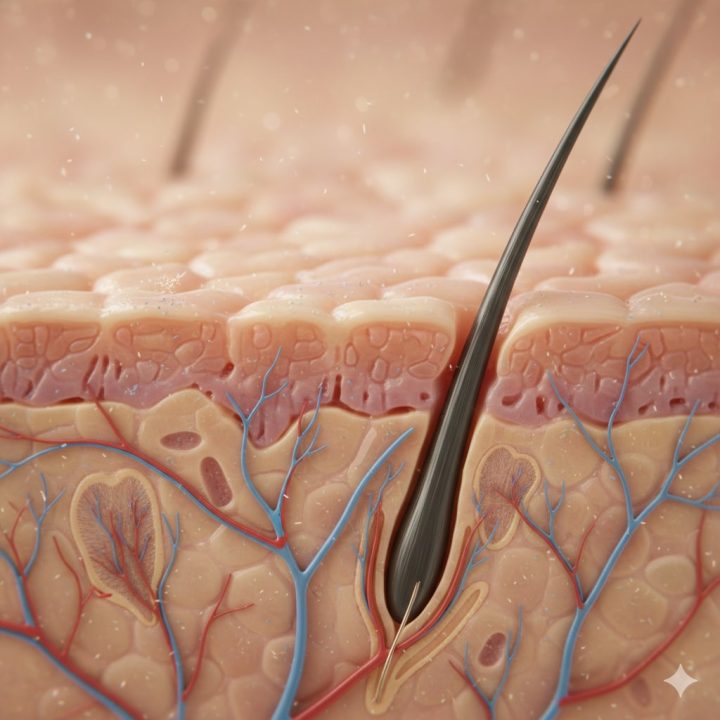
Normal. Calm skin: no itch, no odor, no redness, no visible flaking. Roots feel fresh for 1–2 days.
Oily. Odor at the roots, sticky film, flat roots. You can wash even every day — but only with the right shampoo (see below).
Dry. Tight feeling, fine “dust-like” flakes, itch. You may want to wash less, but that often makes it worse. Even with dry scalp, wash at least twice a week.
Sensitive / dermatitis-prone. Redness, yellow, dense scales, itch (often brows and sides of the nose too). Needs anti-inflammatory, gentle routines — and regular but correct cleansing.
Shampoos: key rules (very important!)
Oily scalp & seborrheic dermatitis. Use a sebum-regulating (oil-control) or antibacterial/antifungal shampoo.
Avoid “just gentle” and especially sulfate-free formulas during active phases — they often don’t cleanse enough: extra oil, film and buildup remain.
Also skip moisturizing/nourishing shampoos on oily scalps and during flares — they can make things worse (film, clogged openings, faster re-soiling).
Dry scalp. Use a non-aggressive, hydrating, pH-balancing shampoo. And yes — even with dry scalp, wash at least twice a week: dust, sweat, salts and yeast also build up there.
Golden rule. Shampoo goes on the scalp; conditioner/mask goes on the lengths. Lengths don’t need degreasing; they need the cuticle sealed.
Important about the nape (back of the head). This area often starts the itch and dermatitis: it’s harder to wash and rinse and stays wet longer. What to do: apply shampoo to the skin, lather for 60 seconds, wash twice, rinse very well and dry it fully (don’t leave a “wet bun”
Myth vs fact
Myth: “If I wash less, my scalp will produce less oil.”
Fact: sebaceous glands (hormones, genetics) set oil output — not wash frequency. Wash as often as your scalp needs to remove sweat, salts and oxidized sebum. You can influence oiliness only a little with quality nutrition and enough water (less fast food and sugar; more protein, vegetables, fruits, vitamin-C sources, good hydration).
Dandruff & seborrheic dermatitis — what truly helps
Dandruff is linked to the yeast Malassezia, but it’s not contagious. When pH is off, yeast activity rises, flaking speeds up and inflammation grows. A simple plan:
1. Frequent cleansing: daily or every other day with the right shampoo (oil-control or antibacterial/antifungal).
2. Peels/scrubs 1–2×/month (more if needed) with antibacterial and keratolytic (exfoliating) action — to deeply clear sebaceous plugs and the openings of the hair follicles. In a clean “pocket,” hair grows better.
3. Warm (not hot) water, minimal rubbing, and never sleep with wet hair.
4. During flares: no moisturizing shampoos and pause aggressive chemical services (bleach, keratin, etc.).
Everyday habits that work
• Rinse off styling and residue (yes, hairsprays and dry shampoos too).
• Protect your part and scalp from the sun (hat/cap or a part-line SPF spray).
• Cleanse after workouts, beach and pool — remove sweat, dust and salts.
• Don’t scratch — nails and hard rubbing cause micro-injuries and more inflammation.
• Keep water warm, not hot — hot water worsens irritation and oiliness
Teens
Hormonal changes increase sweat and sebum and speed up flaking. Switch from baby shampoo to an adult pH-balanced one (add light oil-control if needed). Use a gentle peel 1–2×/month if required. Watch tolerance to hairsprays and dry shampoos and don’t sleep with wet hair. Food matters: less fast food and sugary drinks; more protein, vegetables, fruits and vitamin C.
Diet, vitamin D and gut
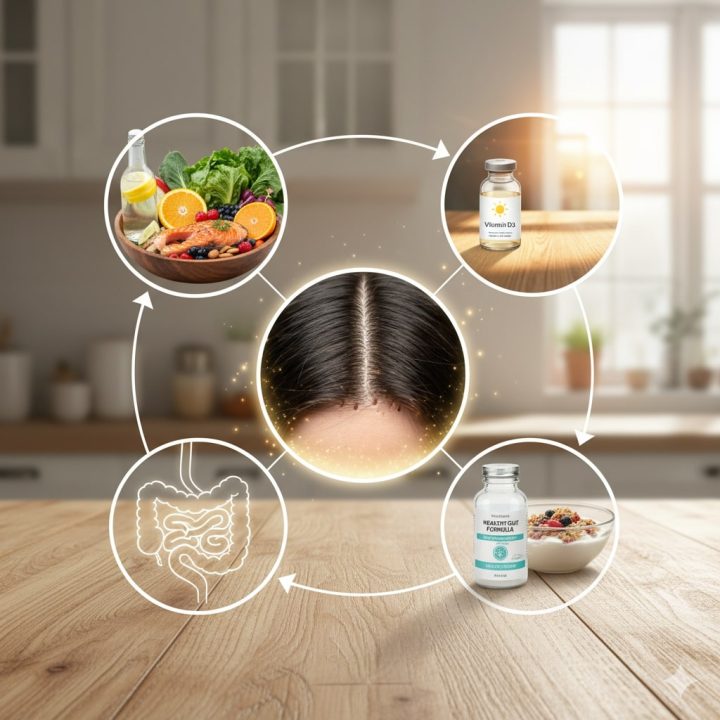
Low vitamin D and not enough water can make dryness, itch and flare-ups worse. So, besides basic scalp care, watch for possible deficiencies (including vitamin D), keep a steady water intake, and keep your diet complete and balanced: more protein, vegetables, fruits and vitamin-C sources, less fast food and excess sugar.
Gut health also shows up on the skin, including the scalp. With food sensitivities, sensitive scalps may itch, redden and flake more.
What helps:
• Care side — gentle cleansing, pH support, no trauma, enough water.
• Lifestyle — short food/symptom log, balanced diet as above.
If gut symptoms are strong, see your doctor/dietitian.
When to see a specialist
See a dermatologist/trichologist if:
• shedding is sudden and lasts longer than 3–4 weeks;
• round bald patches appear;
• there are painful lesions, cracks, oozing;
• you have strong postpartum or stress-related shedding.
Quick summary
• The scalp is skin. Care for it like your face: cleanse, gently exfoliate, protect from the sun.
• Wash as needed.
— Oily/seborrheic: daily is fine with an oil-control or antibacterial/antifungal shampoo (no “just gentle” or moisturizing formulas during flares).
— Dry: at least 2×/week with a non-aggressive, hydrating, pH-balancing shampoo.
• Peels help every scalp type. The difference is only in formula and frequency.
• You can’t “train” the scalp to make less oil by washing less; diet and hydration help only a bit.
• Watch the nape: shampoo on the skin, 60-second lather, double wash, thorough rinse, fully dry.
• Washing your hair is good.
written by Yuliia B., Certified Trichologist